Undergoing a medical procedure of any kind can be intimidating. You’re trusting your body and well-being with someone else, hoping you emerge better than when you came in.
Today, safeguards ensure that patients are protected from adverse effects. But every procedure and medication comes with risks, and the unfortunate truth is that rare things do happen, and you may require legal assistance for yourself or your loved ones. Anesthesia is used in a variety of surgeries and procedures today. While it’s entirely safe, anesthesia errors do happen, and people do get hurt—brain damage from anesthesia can have life-altering consequences. Call our DC medical malpractice lawyers to learn your legal options.
Complete this form and our team will get back to you as soon as possible






Anesthesia comes in several forms, each designed to address specific surgical needs and patient requirements. The common types of anesthesia are as follows:
General anesthesia: General anesthesia puts the recipient into a sleep-like state and is often given via a combination of intravenous medication and gases that the patient inhales. General anesthesia makes the patient feel like they’re asleep but also prevents their ability to feel pain. This is used for surgical procedures where it’s safest to have the patient unconscious.
Local anesthesia: While general anesthesia makes a patient feel like they’re sleeping, with local anesthesia, the recipient stays awake. It is used only to numb a small, specific area of the body. It can be administered topically or via an injection into the necessary site. It is often used for minor procedures, like stitching a deep cut or performing skin biopsies.
Regional anesthesia: Regional anesthesia also allows the patient to stay awake while still preventing them from feeling pain. But while local anesthesia numbs quite a small and precise area, regional anesthesia numbs a much larger area. It is often used during childbirth and surgery performed on the leg, arm, or abdomen.
MILLION
Wrongful Death Settlement
MILLION
MILLION
Wrongful Death Verdict
MILLION
Premises Liability Settlement
MILLION
Wrongful Death Settlement
MILLION
Wrongful Death Verdict
MILLION
Medical Malpractice Settlement
MILLION
Personal Injury Settlement
MILLION
Car Accident Settlement
While some forms of anesthesia may make the recipient feel like they’re asleep, this is actually not the case. General anesthesia instead puts the recipient into a sort of unconscious state, which scientists have compared to a reversible coma.
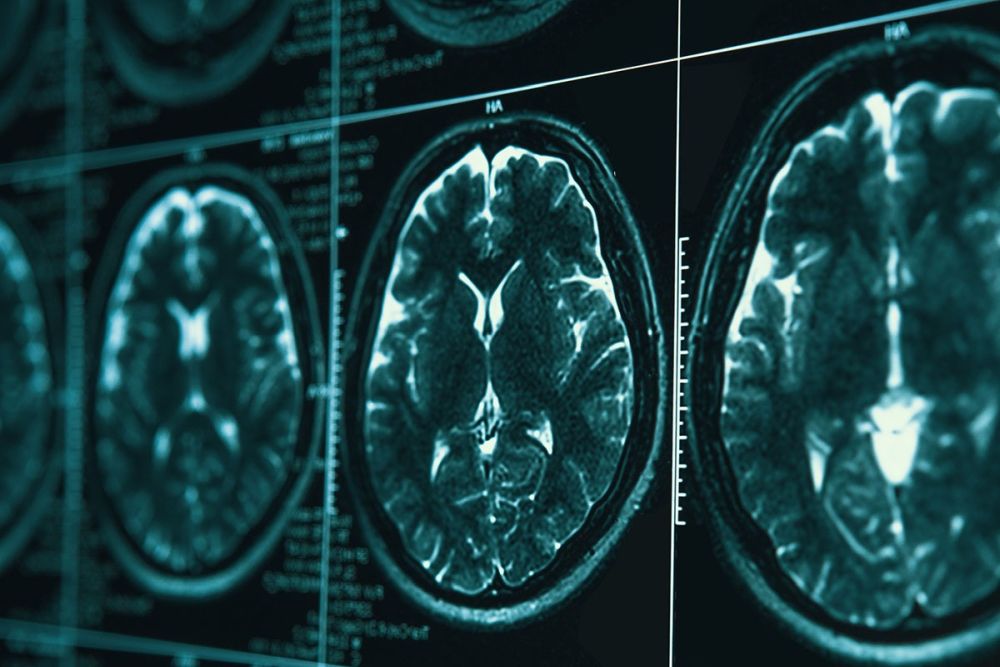
General anesthesia basically changes the way the brain functions and the ways in which the oscillation patterns of brain function occur. It actually impacts the central nervous system and prevents neurons in different parts of the brain from communicating with each other, which is what causes the unconsciousness and lack of pain.
Today, anyone who receives any type of anesthesia is monitored closely by an array of machinery, which can track blood pressure, breathing, blood fluid levels, and the patient’s vitals. There is also always a dedicated anesthesiologist who administers the general anesthetic and monitors patients. During a major surgery, the anesthesiologist may also insert a breathing tube; this ensures that a patient’s breathing remains steady and their oxygen levels are where they should be. Making sure all of this is done correctly will significantly reduce the risk of adverse reactions.
Before complex machinery existed to watch for things like oxygen deprivation and proper blood flow, doctors came up with four stages of anesthesia. They are as follows:
When administered correctly and monitored by an experienced anesthesiologist, anesthesia is generally safe. That being said, as with every medication, there are some potential risks and side effects, such as:
All of the above typically disappear quickly. Of course, if they don’t go away or worsen, you should seek medical treatment as soon as possible. But in addition to these common and generally minor side effects, there are some more serious possible anesthesia complications. According to the American Society of Anesthesiologists, these include:
Regional anesthesia is considered a safe and effective technique for managing pain during various medical procedures. However, like any medical intervention, it comes with inherent risks. One of the potential risks associated with regional anesthesia is the possibility of nerve damage or injury at the site of injection. This can result in sensory or motor deficits, although complications are relatively rare. Another concern is the inadvertent intravascular injection of local anesthetic agents, which can lead to systemic toxicity and affect the central nervous system. While the incidence of significant brain damage due to regional anesthesia is extremely low, careful administration, monitoring, and adherence to best practices by skilled healthcare professionals can help mitigate these risks and ensure patient safety during regional anesthesia procedures. Patients should always discuss potential risks and benefits with their healthcare providers before anesthesia.
This type of anesthesia is generally the least likely to have adverse effects on the recipient. Because it’s just a one-time injection into a specific area of the body, with no loss of consciousness, there is virtually no risk of brain injury or brain damage. Some possible side effects include soreness or itchiness at the injection site.
If anesthesia is typically so safe, how does brain damage ever occur? The unfortunate answer is that it’s usually preventable, and the result of anesthesia errors. Some of these errors include:
Severe brain damage from anesthetic drugs is rare, but it certainly does happen. And when it does, it can have a painful and significant impact on both the victim and all of their friends and loved ones.
It’s important to remember that if you or someone you love has experienced brain injuries from the use of anesthesia, you are not alone, and you have options. If your injury results from negligence, you could file a medical malpractice lawsuit against the negligent party. A successful lawsuit will result in damages that can cover medical bills and expenses, lost wages if the injury prevented you from working, and more. It can even account for the pain and suffering, and emotional distress you’ve endured.
The first step in exercising your legal rights is to seek a medical lawyer experienced in the malpractice space. Your attorney can review your case in great detail and make sure you have a valid claim with enough evidence to support it. They will then handle the negotiation process against the defendant and work to ensure you are adequately compensated for your suffering.
You can discuss the details of your claim with our DC medical liability lawyers, who have experience in anesthesia-related malpractice claims and brain injury cases. Regan Zambri Long offers a free, no-obligation case review. Call today.
Have you or your loved one sustained injuries in Washington DC, Maryland or Virginia? Regan Zambri Long PLLC has the best lawyers in the country to analyze your case and answer the questions you may have.
We use cookies to improve your experience on our site. By using our site, you consent to cookies.
Manage your cookie preferences below:
Essential cookies enable basic functions and are necessary for the proper function of the website.
UserWay is an AI-powered accessibility widget that scans a website for WCAG and ADA accessibility issues and gives visitors on-page tools to adjust contrast, font size, navigation, and other display settings.
Service URL: userway.org (opens in a new window)
Marketing cookies are used to follow visitors to websites. The intention is to show ads that are relevant and engaging to the individual user.
AddToAny provides share and follow buttons that let visitors post your pages to social networks, messaging apps, and bookmarking services.
Service URL: www.addtoany.com (opens in a new window)
CallRail is a call tracking and analytics service. Its script swaps the phone numbers shown on a page and stores the visitor's referrer, landing page and session ID, so phone calls and form submissions can be attributed to the marketing source that brought the visitor to the site.
Service URL: www.callrail.com (opens in a new window)
CleanTalk offers effective spam protection and website security solutions to enhance user experience.
CloudFlare provides web performance and security solutions, enhancing site speed and protecting against threats.
Service URL: developers.cloudflare.com (opens in a new window)
Facebook Pixel is a web analytics service that tracks and reports website traffic.
Service URL: www.facebook.com (opens in a new window)
Google Ads is an online advertising platform that enables businesses to create targeted ads displayed on Google search results and partner sites.
Service URL: policies.google.com (opens in a new window)
Google Analytics is a powerful tool that tracks and analyzes website traffic for informed marketing decisions.
Service URL: policies.google.com (opens in a new window)
Google Maps is a web mapping service providing satellite imagery, real-time navigation, and location-based information.
Service URL: policies.google.com (opens in a new window)
Google Tag Manager simplifies the management of marketing tags on your website without code changes.
Matomo is an open-source web analytics platform that provides detailed insights into website traffic and user behavior.
Service URL: matomo.org (opens in a new window)
A video-sharing platform for users to upload, view, and share videos across various genres and topics.
Service URL: www.youtube.com (opens in a new window)
You can find more information in our Cookie Policy and Privacy Policy.