
In a city filled with apartment buildings, office towers, hotels, hospitals, and government buildings, elevators are part of daily life in Washington, DC. Most people barely think about them until something goes wrong, and a sudden malfunction can turn an ordinary ride into a serious injury. An elevator malfunction can also raise serious questions about whether the danger should have been found and fixed before someone was hurt. A Washington, DC elevator accident lawyer can help investigate what happened and who may be responsible.
A 2025 DC elevator accident at Dorchester House in Adams Morgan showed how serious these incidents can become. A resident using a wheelchair suffered the loss of her arm after an elevator door closed on her dog’s leash and the elevator ascended. Tenants had complained about elevator problems, and the DC Department of Buildings later found the building lacked a current elevator certificate.
If you were injured in an elevator accident in Washington, DC, contact Regan Zambri Long today. Our premises liability lawyers can investigate what went wrong, protect your claim, and help you pursue accountability for the harm you suffered.
Complete this form and our team will get back to you as soon as possible





The most common causes of elevator accidents in Washington, DC, involve mechanical movement, door operation, floor alignment, and shaft safety.
Common causes include:
MILLION
Wrongful Death Settlement
MILLION
MILLION
Wrongful Death Verdict
MILLION
Premises Liability Settlement
MILLION
Wrongful Death Settlement
MILLION
Wrongful Death Verdict
MILLION
Medical Malpractice Settlement
MILLION
Personal Injury Settlement
MILLION
Car Accident Settlement
Elevator accidents can cause injuries ranging from painful falls to catastrophic trauma, or even death. A passenger who trips on an uneven landing may suffer a broken wrist, hip fracture, shoulder injury, back injury, neck injury, or head injury. A sudden movement inside the cab can cause impact injuries to the head, neck, back, shoulders, or spine.
Door-related injuries can involve direct impact, compression, dragging, or crush trauma. A person may be struck by closing doors, caught while entering or exiting, or pulled off balance when an item becomes trapped. Serious elevator accidents can also cause nerve damage, amputations, spinal injuries, and trauma from the incident itself.

For a senior resident or a person with limited mobility, an elevator can provide essential access to an apartment, medical appointment, workplace, or public building. A malfunction can create a serious fall risk, trap someone inside the cab, separate them from support, or make a building they rely on suddenly inaccessible.
The Consumer Product Safety Commission’s 2024 Seniors Report estimated that an average of 4,800 adults aged 65 and older had emergency department-treated fall injuries involving elevators in 2022 and 2023. For older adults, even a fall that seems minor at first can lead to a longer and more difficult recovery.
The risk can be even greater for someone using a cane, walker, wheelchair, prosthetic, mobility scooter, or service animal because they may have less room or time to react. A malfunction may leave them trapped, off balance, separated from support, or unable to exit safely.
DC elevator owners are responsible for keeping elevators properly inspected and certified. The District of Columbia Department of Buildings (DOB) states that owners must submit third-party inspection reports to obtain an elevator Certificate of Inspection. Those inspections must be completed by an ASME QEI-certified inspector.
DOB lists the main inspection requirements as:
These requirements can become important after an elevator accident because they show whether the elevator was legally cleared to remain in service. An expired certificate, overdue inspection, failed inspection, violation notice, or repair order can raise serious questions about whether the building owner met its safety obligations.
Elevators are mechanical systems that require regular testing, repairs, and attention to warning signs. Maintenance problems can lead to injuries when an owner, manager, or service company fails to fix known issues or respond to problems that should have been discovered.
Many elevator maintenance problems follow a pattern before someone gets hurt. Tenants may report the same elevator breaking down, doors closing too quickly, or the cab stopping unevenly. Service technicians may be called out for repeated shutdowns or temporary fixes. When warning signs keep appearing, the key question becomes whether the owner, manager, or service company responded with a real repair or allowed the risk to continue.
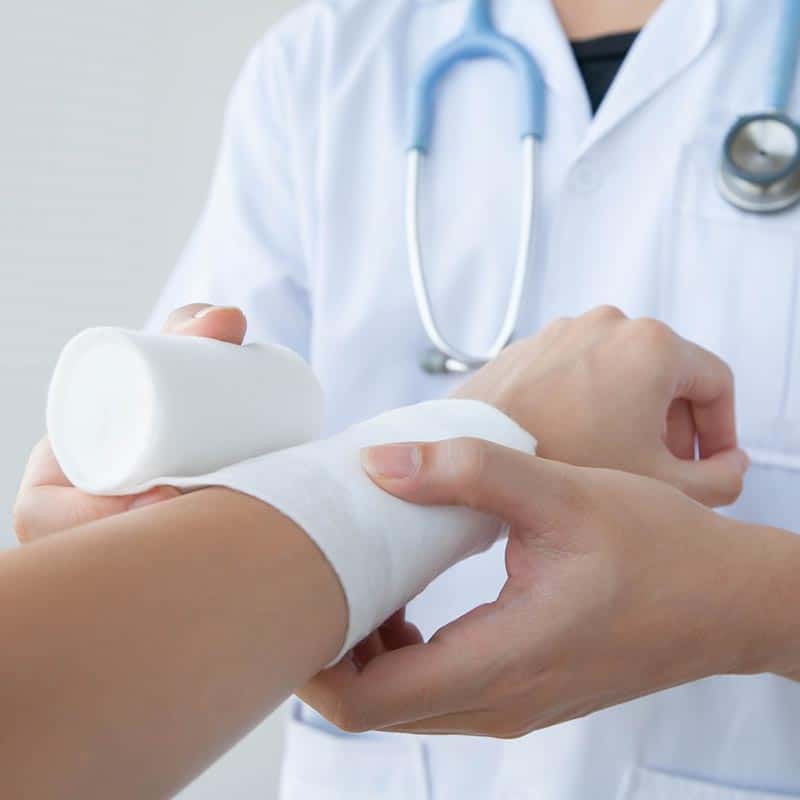
Responsibility for an elevator accident in Washington, DC, depends on who controlled, maintained, inspected, repaired, installed, or manufactured the elevator.
Potentially responsible parties may include the following:
Several parties can have overlapping responsibility because elevator safety depends on control, notice, and the ability to fix the danger. For example, a building owner may control the property, a management company may receive complaints, and a maintenance company may be responsible for service work. Inspection contractors and manufacturers may also come under scrutiny when a missed defect or faulty part contributed to the accident.
An elevator accident in a government building can involve different claim rules because the responsible party may be a public entity rather than a private building owner. In Washington, DC, that distinction can affect where notice must be sent, how quickly action must be taken, and which records need to be preserved.
If the elevator was in a DC government building, DC Code § 12-309 requires written notice to the Mayor within six months of the injury. The notice generally must identify the approximate time, place, cause, and circumstances of the injury. The DC Office of Risk Management receives and investigates claims filed against the District.
An elevator accident claim can become more complicated when the building is federally controlled, privately managed, or operated by another public authority. A person injured in an elevator accident may know where the accident happened, but still needs a premises liability attorney to help identify who owned the building, who maintained the elevator, who managed the property, and which notice rules apply.
Elevator accidents can seriously injure construction workers, elevator mechanics, repair technicians, maintenance employees, building engineers, cleaners, delivery workers, and contractors who work in or around elevators.
The Occupational Safety and Health Administration (OSHA) recorded 35 elevator-related workplace incidents from 2021 through 2025, including 25 worker deaths. These incidents involved shaft falls, crushing hazards, moving elevator components, unsafe work areas, or workers injured while inspecting, repairing, or maintaining elevator systems.
An injured worker may have a workers’ compensation claim. A separate third-party claim may also be possible when someone other than the employer contributed to the accident, such as a property owner, subcontractor, maintenance company, equipment manufacturer, or outside contractor.
Evidence in an elevator accident claim usually falls into two groups. One group helps show what happened during the incident. This may include surveillance footage, witness statements, photos of the elevator door or landing, medical records showing the injuries, and details about how the elevator malfunctioned.
The other group helps show what the building owner, property manager, or service company knew before the accident. This may include elevator certificate records, inspection reports, maintenance logs, repair invoices, service contracts, prior complaints, incident reports, fault codes, control data, and expert analysis. These records can help show whether the malfunction was sudden or part of a longer pattern.
Preserving this evidence quickly is important. Elevators may be repaired soon after an accident, video footage may be overwritten, and building management may control the records that show prior problems. A lawyer can send preservation letters, request key documents, and bring in elevator experts to connect the records to the malfunction.
Regan Zambri Long can help after a Washington, DC elevator accident by building the case around what happened, who had control of the elevator, and how the injury has affected your life.
Our premises liability attorneys can deal directly with property owners, insurers, maintenance companies, contractors, and other parties involved in the claim. When technical analysis is needed, we can work with elevator experts to evaluate the malfunction and explain how it caused the injury. We can also document the full impact of the accident, including medical care, lost income, reduced mobility, pain, and changes to your independence or daily routine.
Elevator accidents can leave people dealing with serious injuries, lasting pain, lost mobility, and a fear of using elevators again. We understand how much these cases can affect your independence, work, home life, and sense of safety.
If you have been injured in an elevator accident in Washington, DC, contact Regan Zambri Long today, and one of our attorneys will call you back personally. We are available 24 hours a day, 7 days a week, and you don’t pay unless we win your case.
Have you or your loved one sustained injuries in Washington DC, Maryland or Virginia? Regan Zambri Long PLLC has the best lawyers in the country to analyze your case and answer the questions you may have.
We use cookies to improve your experience on our site. By using our site, you consent to cookies.
Manage your cookie preferences below:
Essential cookies enable basic functions and are necessary for the proper function of the website.
UserWay is an AI-powered accessibility widget that scans a website for WCAG and ADA accessibility issues and gives visitors on-page tools to adjust contrast, font size, navigation, and other display settings.
Service URL: userway.org (opens in a new window)
Marketing cookies are used to follow visitors to websites. The intention is to show ads that are relevant and engaging to the individual user.
AddToAny provides share and follow buttons that let visitors post your pages to social networks, messaging apps, and bookmarking services.
Service URL: www.addtoany.com (opens in a new window)
CallRail is a call tracking and analytics service. Its script swaps the phone numbers shown on a page and stores the visitor's referrer, landing page and session ID, so phone calls and form submissions can be attributed to the marketing source that brought the visitor to the site.
Service URL: www.callrail.com (opens in a new window)
CleanTalk offers effective spam protection and website security solutions to enhance user experience.
CloudFlare provides web performance and security solutions, enhancing site speed and protecting against threats.
Service URL: developers.cloudflare.com (opens in a new window)
Facebook Pixel is a web analytics service that tracks and reports website traffic.
Service URL: www.facebook.com (opens in a new window)
Google Ads is an online advertising platform that enables businesses to create targeted ads displayed on Google search results and partner sites.
Service URL: policies.google.com (opens in a new window)
Google Analytics is a powerful tool that tracks and analyzes website traffic for informed marketing decisions.
Service URL: policies.google.com (opens in a new window)
Google Maps is a web mapping service providing satellite imagery, real-time navigation, and location-based information.
Service URL: policies.google.com (opens in a new window)
Google Tag Manager simplifies the management of marketing tags on your website without code changes.
Matomo is an open-source web analytics platform that provides detailed insights into website traffic and user behavior.
Service URL: matomo.org (opens in a new window)
A video-sharing platform for users to upload, view, and share videos across various genres and topics.
Service URL: www.youtube.com (opens in a new window)
You can find more information in our Cookie Policy and Privacy Policy.