
Types of product liability claims exist because defective products fail in different ways, and Regan Zambri Long’s Washington, DC product liability lawyers help people understand which legal path applies. A claim may focus on how a product was designed, how it was manufactured, or whether critical safety warnings were missing, and choosing the right approach can shape the outcome of the case.
For almost three decades, our product liability attorneys have been recognized for taking on large corporations when unsafe products cause harm. Named among America’s Best Law Firms, our three founding partners are all board certified, with three partners also listed among the Top 100 Super Lawyers in Washington, DC. Those distinctions reflect our trial readiness and willingness to pursue accountability when manufacturers resist responsibility. We have secured over $1 billion in personal injury recoveries, and clients continue to place their trust in our work, as reflected in more than 100 5 star Google reviews.
Have you been injured by a defective product? Contact Regan Zambri Long today, and one of our award-winning attorneys will personally call you back. We are available 24 hours a day, 7 days a week, and you don’t pay unless we win your case.
Complete this form and our team will get back to you as soon as possible





Products liability is the branch of the law under personal injury (or tort law) that holds manufacturers of products liable if there was a defect in a product that they produced that caused an injury. Consumers have a right to assume that the products they use are safe and that they have been tested for risks before going on the market.
The scale of this issue is reflected in national safety data. In 2024, the National Safety Council reports that 15.1 million people were treated in emergency departments for injuries resulting from consumer products, with many of those injuries involving everyday items that people commonly assume are safe to use.
MILLION
Wrongful Death Settlement
MILLION
MILLION
Wrongful Death Verdict
MILLION
Premises Liability Settlement
MILLION
Wrongful Death Settlement
MILLION
Wrongful Death Verdict
MILLION
Medical Malpractice Settlement
MILLION
Personal Injury Settlement
MILLION
Car Accident Settlement
Anyone injured by a dangerous product can recover damages. An injured party can even recover damages if they were not the person who purchased the product. Liability for a defective product can fall anywhere along the distribution chain:
Some common types of product liability are:

Those injured by products in these circumstances may be entitled to compensation through a product liability claim against the manufacturer of the product. If you find yourself considering a claim, you should consult with an attorney with experience in these practice areas. Call us today to schedule a free consultation.
The main types of defects in products are:
Manufacturing defects are errors that occurred during fabrication or flaws that arise in the manufacturing process. This often occurs because of a lack of quality control. Many defective products have flaws caused by a defect or deviation in the specifications of the design, and other products manufactured in that line would not have the same flaw. In other words, this is a product that differs from all the others on the assembly line– the one-in-a-million defect.
A field where manufacturing defects often occur is food packaging. Without proper procedures and quality control, food can be contaminated and cause widespread problems and in serious cases, trigger a recall. If you were harmed by a recalled food product, our recalled food product injury lawyers can help you understand your options.
Sometimes, product designs are inherently unsafe. In this situation, the manufacture of the product does not matter because the product design itself is causing the issue. This often occurs when the costs of redesigning a product outweigh the benefits to the company. Many class action lawsuits against automobile manufacturers are based on design defects.
Federal safety data reflects how widespread these issues can be. According to a 2025 report from the National Highway Traffic Safety Administration, its Recall Management Division processed more than 1,000 recalls in 2023 involving over 39 million vehicles and items of motor vehicle equipment, many of which were tied to design and safety defects.
A field where this often occurs is in automobile design. Vehicles have a variety of safety defects, including:
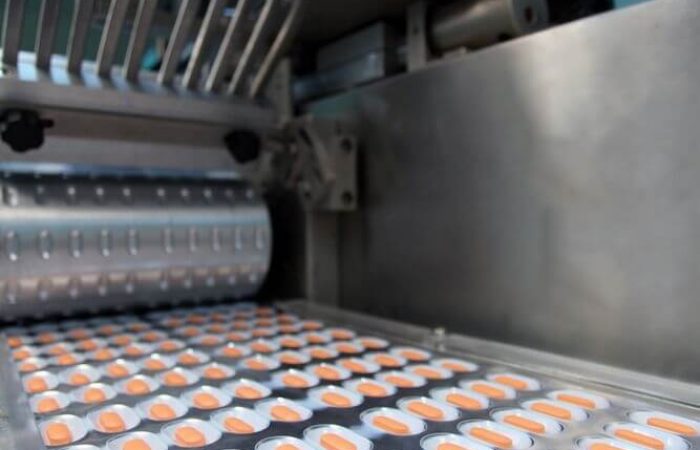
The third type of product liability claim is failure to provide adequate warnings or instructions. Manufacturers must publish clear information about risks and safety hazards in language that consumers can easily understand.
This most often comes up with medications. Drug manufacturers must warn consumers about adverse interactions and side effects, and an estimated 4,500 drug recalls take place every year. Common drugs with ongoing litigation include Accutane, Actos, Effexor, Humira, Lipitor, Paxil, Pradaxa, Prozac, Reglan, Yaz/Yasmin, and Zoloft.
The McDonald’s hot coffee case is a well-known example. McDonald’s was sued after a customer suffered serious burns from spilled coffee and the company acknowledged it had not adequately warned customers of the temperature or burn risk.
What you need to prove depends on the legal theory. Strict liability focuses on the product’s condition, not whether the manufacturer was careless, and requires showing the product was defective, reached you unchanged, and caused your injury. Negligence requires the additional step of proving the seller or manufacturer failed to meet a reasonable standard of care. Learn more about what strict product liability requires and when it applies.
You can be compensated for many kinds of damages in a product liability claim, including:
When a product defect results in death, the surviving family members can file a wrongful death claim which allows them to be compensated for the loss of income of the deceased victim. This also allows the family to recover medical bills and funeral and burial expenses.

If you or someone you love has been injured and you are considering filing a legal claim for your injuries from a defective product in the Maryland, Virginia, or Washington, DC areas, one of the many experienced lawyers on our team can help.
Our product liability lawyers understand how difficult product liability claims are and we know what is needed to succeed. Our attorneys have the knowledge and experience necessary to fight for your rights. Victor Long, a Senior Partner at Regan Zambri Long, has litigated product liability cases involving medication and pharmaceutical drugs. Long was given a patent for a warning label that was developed in a case involving an infant who was injured in a fire that was caused by a faulty extension cord. Attorney Long has also secured a $4.2 million payout in a defective playground equipment case in Washington, DC.
Victor Long currently serves as Chair of the Washington, DC Court of Appeals Client Security Trust Fund, overseeing the safe investment of client funds held in trust in the District of Columbia. He, along with fellow founding partners Patrick Regan and Salvatore Zambri, is board certified in Civil Trial Law and Civil Practice Advocacy by the National Board of Trial Advocacy, a distinction held by only a small percentage of lawyers nationwide. All three are AV Preeminent rated by Martindale-Hubbell, the highest rating for legal ability and ethical standards.
Victor Long, Patrick Regan, and Salvatore Zambri, along with fellow partner Paul Cornoni, have each served as President of the Trial Lawyers Association of Metropolitan Washington, DC (TLA-DC), and partners Jacqueline Colclough and Christopher Regan currently serve on the Association’s Board of Governors.
Our attorneys have also been named Lawyer of the Year on multiple occasions by organizations such as Best Lawyers and the Trial Lawyers Association of Metropolitan Washington, DC (TLA-DC), and Paul Cornoni was honored as the District of Columbia Bar Association’s 2025 Pro Bono Attorney of the Year for his work on behalf of vulnerable residents in the District.
That leadership and trial experience are reflected in our results in product liability litigation. We have secured dozens of multimillion-dollar recoveries in defective product cases, including a $14 million settlement in a confidential product liability matter, a $10 million recovery against a car manufacturer, a $5.5 million settlement for death and injuries caused by a defective heater, and a $5 million settlement for the victim of a defective product.
Our lawyers often operate on a contingency fee basis, meaning that they are compensated for their services only after you win, and the amount owed is based on the amount you win at trial. Call Regan Zambri Long today or contact us online for a free case evaluation
Have you or your loved one sustained injuries in Washington DC, Maryland or Virginia? Regan Zambri Long PLLC has the best lawyers in the country to analyze your case and answer the questions you may have.
We use cookies to improve your experience on our site. By using our site, you consent to cookies.
Manage your cookie preferences below:
Essential cookies enable basic functions and are necessary for the proper function of the website.
UserWay is an AI-powered accessibility widget that scans a website for WCAG and ADA accessibility issues and gives visitors on-page tools to adjust contrast, font size, navigation, and other display settings.
Service URL: userway.org (opens in a new window)
Marketing cookies are used to follow visitors to websites. The intention is to show ads that are relevant and engaging to the individual user.
AddToAny provides share and follow buttons that let visitors post your pages to social networks, messaging apps, and bookmarking services.
Service URL: www.addtoany.com (opens in a new window)
CallRail is a call tracking and analytics service. Its script swaps the phone numbers shown on a page and stores the visitor's referrer, landing page and session ID, so phone calls and form submissions can be attributed to the marketing source that brought the visitor to the site.
Service URL: www.callrail.com (opens in a new window)
CleanTalk offers effective spam protection and website security solutions to enhance user experience.
CloudFlare provides web performance and security solutions, enhancing site speed and protecting against threats.
Service URL: developers.cloudflare.com (opens in a new window)
Facebook Pixel is a web analytics service that tracks and reports website traffic.
Service URL: www.facebook.com (opens in a new window)
Google Ads is an online advertising platform that enables businesses to create targeted ads displayed on Google search results and partner sites.
Service URL: policies.google.com (opens in a new window)
Google Analytics is a powerful tool that tracks and analyzes website traffic for informed marketing decisions.
Service URL: policies.google.com (opens in a new window)
Google Maps is a web mapping service providing satellite imagery, real-time navigation, and location-based information.
Service URL: policies.google.com (opens in a new window)
Google Tag Manager simplifies the management of marketing tags on your website without code changes.
Matomo is an open-source web analytics platform that provides detailed insights into website traffic and user behavior.
Service URL: matomo.org (opens in a new window)
A video-sharing platform for users to upload, view, and share videos across various genres and topics.
Service URL: www.youtube.com (opens in a new window)
You can find more information in our Cookie Policy and Privacy Policy.