
When questions arise about who is at fault in an Uber crash, a Washington, DC Uber accident lawyer can play a decisive role in sorting out responsibility and protecting your rights. Bringing nearly 200 years of combined experience, Regan Zambri Long’s award-winning team has been directly involved in shaping how local courts address Uber and Lyft liability, having litigated the landmark DC case that clarified when responsibility may extend beyond the driver to the rideshare company itself.
We are named among the Best Law Firms in America, and our founding partners are board certified by the National Board of Trial Advocacy and AV Preeminent rated by Martindale-Hubbell. That experience is reflected in results, with dozens of multimillion-dollar settlements and verdicts, with numerous car accidents claims amongst them.
Have you been injured in an Uber accident and are unsure who may be at fault? Contact Regan Zambri Long today, and one of our attorneys will personally call you back. We have more than 100 5 star Google reviews, and we’re available 24 hours a day, 7 days a week. You won’t pay unless we win your case.
Complete this form and our team will get back to you as soon as possible






Understanding Uber’s role in an accident starts with knowing what the driver was doing at the time of the crash. Liability and insurance coverage can shift depending on whether the driver was actively transporting a passenger, on the way to pick someone up, or simply logged into the app and waiting for a ride request. These distinctions are central to how responsibility is evaluated in Washington, DC Uber accident cases.
MILLION
Wrongful Death Settlement
MILLION
MILLION
Wrongful Death Verdict
MILLION
Premises Liability Settlement
MILLION
Wrongful Death Settlement
MILLION
Wrongful Death Verdict
MILLION
Medical Malpractice Settlement
MILLION
Personal Injury Settlement
MILLION
Car Accident Settlement
When an accident occurs while an Uber driver is actively transporting passengers, the situation often falls under more clearly defined liability parameters. During this phase of a ride, commonly referred to as “on-trip,” Uber’s insurance coverage is typically at its most comprehensive. While each jurisdiction might have specific regulations, Uber’s insurance generally provides substantial coverage for both the driver and the passengers in the event of an accident. This coverage includes bodily injury and property damage, aimed at protecting all parties involved.
However, determining fault is still essential, especially if there are multiple vehicles involved in the accident. Liability could rest with the Uber driver, another driver, or both, depending on factors such as adherence to traffic laws, negligence, and the circumstances leading up to the collision.
There are various types of accidents involving Uber vehicles, each presenting unique challenges when determining liability. Broadly categorized, these scenarios involve accidents that happen while an Uber driver is actively transporting passengers and those that occur while the driver is awaiting a ride request.
Accidents involving Uber drivers who are waiting for a ride request are a bit more complex. During this period, often referred to as the “offline” phase, Uber’s liability coverage might be limited, as the driver is not actively transporting passengers. The driver’s personal insurance may be the primary source of coverage in these situations.
However, Uber does provide contingent liability coverage during this time, which kicks in when the driver’s personal insurance coverage falls short or is denied. This coverage generally includes lower limits than the coverage during active trips.
Overall, the level of Uber’s liability and insurance coverage depends on whether the driver is actively transporting passengers or waiting for a ride request. Accidents that occur during an active trip are often more straightforward in terms of liability and insurance coverage, with Uber’s comprehensive policy playing a significant role.
Multiple parties can be involved and at fault in a DC Uber accident, each with varying degrees of responsibility. Some of the potentially liable parties include:
Determining proportional liability among these parties can be complex and often involves legal negotiations and investigations. In some cases, more than one party might bear responsibility for the accident. Skilled legal professionals who specialize in Uber accident cases play a crucial role in untangling these complexities, ensuring that victims receive fair compensation and justice is served.
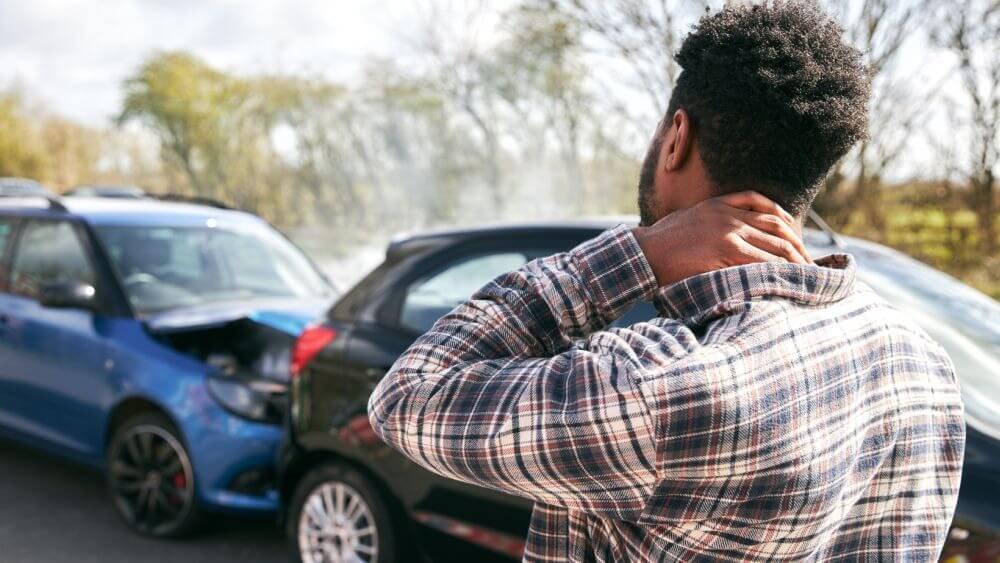
As with all car accidents, determining who is liable in a DC Uber accident can be complicated. The process involves a thorough examination of the circumstances, the behavior of the parties involved, and applicable laws. Here’s an insight into how liability is determined in these intricate situations:
Ultimately, the determination of liability in Uber accidents is a meticulous process that involves a combination of factual evidence, legal expertise, and often negotiations between parties and insurance companies. Consulting with experienced legal professionals who specialize in Uber accident cases can be invaluable in navigating these intricacies and ensuring fair outcomes for all parties involved.
Ride-sharing services like Uber have introduced innovative transportation options, but their rapid growth has also raised pertinent questions about insurance coverage in the event of accidents.
While all Uber drivers have their own personal insurance coverage, Uber also provides coverage. However, the role this coverage plays in an accident varies greatly depending on when in an Uber ride the collision occurred.
To fully comprehend how Uber’s insurance coverage works, it’s essential to understand the three distinct periods that outline a driver’s activity on the platform.
Navigating the aftermath of an Uber accident can be a daunting experience, especially when it comes to seeking compensation for injuries, property damage, and emotional distress. Victims of DC Uber accidents do have legal recourse, and understanding the steps to take is essential for ensuring their rights are upheld.
When fault is disputed after an Uber accident, the outcome depends on whether responsibility was properly investigated and confidently argued. Rideshare claims can turn on details that are easy to overlook without experienced legal guidance.
Schedule your free consultation today by calling 202-946-5322.
Have you or your loved one sustained injuries in Washington DC, Maryland or Virginia? Regan Zambri Long PLLC has the best lawyers in the country to analyze your case and answer the questions you may have.
We use cookies to improve your experience on our site. By using our site, you consent to cookies.
Manage your cookie preferences below:
Essential cookies enable basic functions and are necessary for the proper function of the website.
UserWay is an AI-powered accessibility widget that scans a website for WCAG and ADA accessibility issues and gives visitors on-page tools to adjust contrast, font size, navigation, and other display settings.
Service URL: userway.org (opens in a new window)
Marketing cookies are used to follow visitors to websites. The intention is to show ads that are relevant and engaging to the individual user.
AddToAny provides share and follow buttons that let visitors post your pages to social networks, messaging apps, and bookmarking services.
Service URL: www.addtoany.com (opens in a new window)
CallRail is a call tracking and analytics service. Its script swaps the phone numbers shown on a page and stores the visitor's referrer, landing page and session ID, so phone calls and form submissions can be attributed to the marketing source that brought the visitor to the site.
Service URL: www.callrail.com (opens in a new window)
CleanTalk offers effective spam protection and website security solutions to enhance user experience.
CloudFlare provides web performance and security solutions, enhancing site speed and protecting against threats.
Service URL: developers.cloudflare.com (opens in a new window)
Facebook Pixel is a web analytics service that tracks and reports website traffic.
Service URL: www.facebook.com (opens in a new window)
Google Ads is an online advertising platform that enables businesses to create targeted ads displayed on Google search results and partner sites.
Service URL: policies.google.com (opens in a new window)
Google Analytics is a powerful tool that tracks and analyzes website traffic for informed marketing decisions.
Service URL: policies.google.com (opens in a new window)
Google Maps is a web mapping service providing satellite imagery, real-time navigation, and location-based information.
Service URL: policies.google.com (opens in a new window)
Google Tag Manager simplifies the management of marketing tags on your website without code changes.
Matomo is an open-source web analytics platform that provides detailed insights into website traffic and user behavior.
Service URL: matomo.org (opens in a new window)
A video-sharing platform for users to upload, view, and share videos across various genres and topics.
Service URL: www.youtube.com (opens in a new window)
You can find more information in our Cookie Policy and Privacy Policy.